American Folk & Gospel
|
|
The
earliest American settlers fled from Britain to escape religious persecution.
They brought their English hymns with them. In fact, the first book printed
in America in 1650 was a songbook, the Bay
Pslam Book and contained versified psalms like those written by Isaac
Watts. British colonists brought many tunes from the British Isles with them,
and many continued to be in use though sometimes modified. In time, Americans
began to write their own texts and compose their own melodies, and a rich
repertory of Christian songs emerged from those efforts. Some songs were
written by trained musicians, others were created by talented lay people.
Additionally, African slaves brought their own musical talents to America and
created a unique body of songs with uniquely African musical features. |
|
|
|
|
Folk Hymns o
“Amazing Grace.”
This song is a good example of the blend of European and American. The text
was written by British slave trader, John Newton. The melody, however, is an
American folk tune by an anonymous composer. It is perhaps the most beloved
Christian song ever written. >
o
“How Can I Keep
From Singing.” Although this text and tune are attributed to 19th
century hymnist, Robert Lowry, the melody seems to be heavily indebted to
American folk tunes such as “The Water Is Wide.” >
o
Blow Ye the
Trumpet Blow (LENOX). The text for this song was written by Charles Wesley, one
of the two famous British hymn writers mentioned earlier in this class. The
melody was written by an American musician, Lewis Edson in 1782. Edson was a
music teacher, conductor and composer. Because he taught in singing schools,
this song made its way into many shape note songbooks and is still sung today
by shape note singing groups. Simplified versions of the tune appear in many
hymnals. The tune name comes from Edson’s hometown, Lenox. The same tune is
often used with the Isaac Watts text, “Arise My Soul, Arise.” American
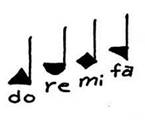
singing schools developed a unique notation method called “shape notes.”
This, in turn, led to publications of music in oblong books and continues
today in what is called the “Sacred Harp” tradition or “fasola” tradition. In
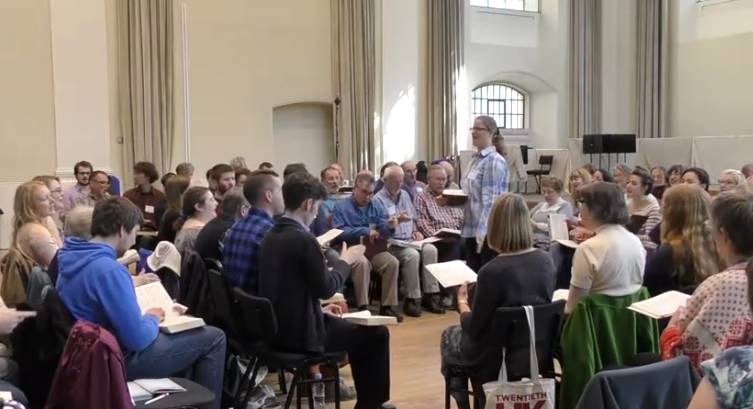
the Sacred Harp versions below, note that the chorus has staggered entrances.
This is part of the charm of these versions. If you want to know more about
the tradition, the last video link gives a brief description of one Sacred
Harp group in Hoboken, Georgia. >
Georgia Sacred Harp Description
o
Roll, Jordan, Roll. The earliest
recording of this song is much slower than this 1980 version, but the beauty
of the song is still evident. o
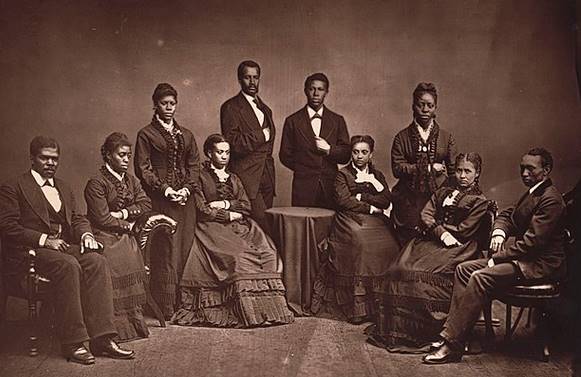
“Swing Low, Sweet Chariot.” This
recording of the Fisk Jubilee Singers Men is from 1909. The style might seem
old-fashioned to our ears, but the foundations of 20th male
quartets can easily be heard in the recording. o
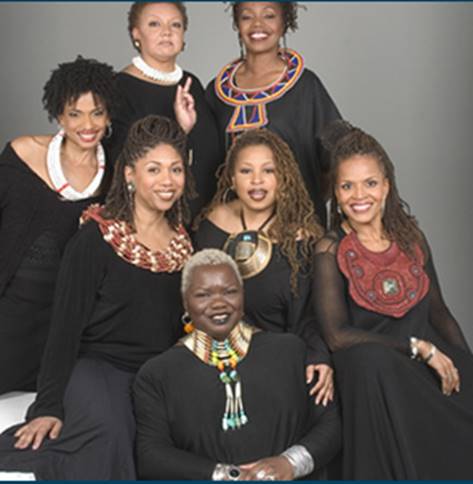
“Wade in the Water.” Some black
spirituals were intimately connected to slavery and to escaping America’s
southern slave plantations. “Wade in the Water” is believed to have been a
way to tell slaves how to escape the blood hounds who were chasing them as
they tried to escape from the south to the north. This rendition is by a
well-known female group, Sweet Honey in the Rock. o
“Joshua Fought
the Battle of Jericho.” This well-known black spiritual is in a minor (like
many others). The energy of the rhythm and the possibilities of improvisation
have made it a favorite in many different forms.
Fisk Jubilee Singers
Sweet Honey in Rock |
|
|
Gospel Songs This
website includes detailed information about texts, tunes, poets, and
composers. o
“Shall We Gather at the River” () >
Country/Celtic style (Buddy Greene) o
“Blessed
Assurance” (Jesu Nguwangu) o
“Trust and
Obey” (Syoma Akuswilila) o
“It Is Well
With My Soul” o
“In the Sweet
By and By” o
“Bringing in
the Sheaves” (Leta Maila) >
Choir o
“I Am So Glad
That Jesus Loved Me” (Ndilakondwa) o
“More About
Jesus” (Alimwi aa-Jesu) >
Voice and Guitar (Really good
guitarist!) o
“What A
Fellowship” (Yama Kumaanza) >
Chicago Mass Choir (new tune) >
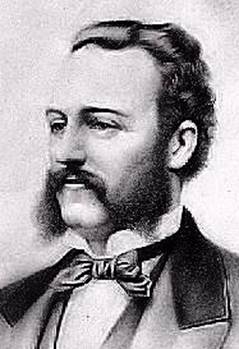
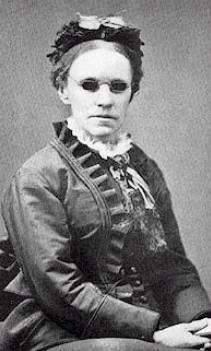
Ira D. Sankey Fanny Crosby
o
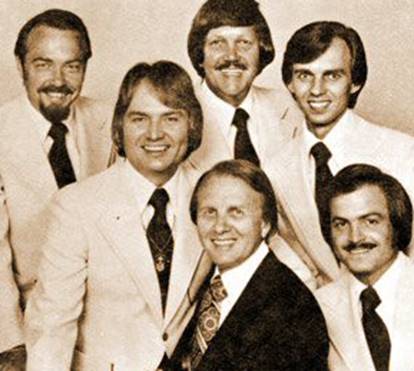
Blackwood
Brothers: “Swing Down Chariot” o
Ransomed
Bluegrass: “I Saw the Light” o
Statler
Brothers Quartet: “Have a Little Talk With Jesus” o
Bluegrass Trio:
“I’ll
Fly Away”
Blackwood Brothers
o
Thomas A.
Dorsey: “Take My Hand, Precious Lord” o
James
Cleveland: “Something’s Got A Hold on Me”
(Cleveland with his signature 3-part choir) o
Hezekiah
Walker: “Jesus Is My Help” o
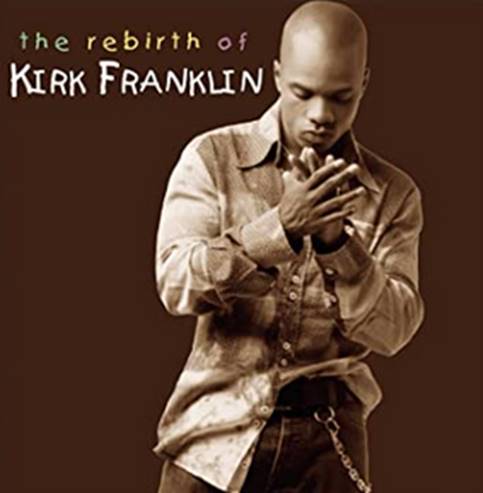
Kirk
Franklin: o
“He Reigns” o
North Carolina
University Gospel Choir: Set 2 o
Tye
Tribbet: o
Smallwood: “Total
Praise” o
Brooklyn
Tabernacle: “Hallelujah, Salvation and Glory” o
Isaiah
Houghton: “God Is Good” o
Yolanda
Adams: “Victory” o
Cece
Winans:
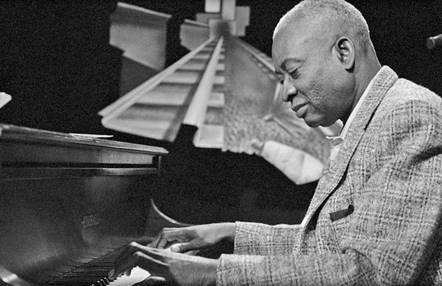
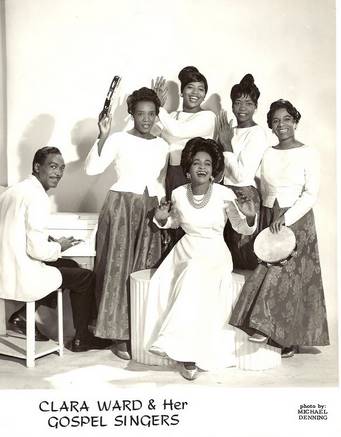
Thomas A. Dorsey Clara Ward & Her
Gospel Singers
Kirk Franklin |
|
|
|
|
|
|
|
|
|
|